Groin & Hip Pain Treatment in Edinburgh to Improve Movement & Comfort
Hip and groin pain can affect walking, sitting, sleeping, exercising and everyday movement. Symptoms may develop gradually through repetitive strain or changes in activity, or appear suddenly following injury, overuse or trauma.
At The Wellness Barn Edinburgh, we provide personalised support for people seeking groin and hip pain treatment in Edinburgh, including assessment and rehabilitation for pain felt around the hip joint, outer hip, buttock and groin.
Why Choose The Wellness Barn Edinburgh for TMJ Treatment?
- Personalised assessment tailored to your symptoms, lifestyle and goals
- Full structural, whole-person and lifestyle analysis
- Experienced multidisciplinary rehabilitation and wellbeing team
- Access to Physiotherapy, Sports Therapy, Visceral Manipulation and complementary services in one location
- Support for hip joint, muscular, tendon and movement-related problems
- Consideration of the lower back, pelvis, core and surrounding movement patterns
- Calm countryside setting at Swanston Farm near the Pentland Hills
- Free on-site parking with convenient access from across Edinburgh
- Practical rehabilitation advice and ongoing self-management support
- Focus on helping you return safely to work, exercise and everyday activity
Understanding Hip & Groin Pain
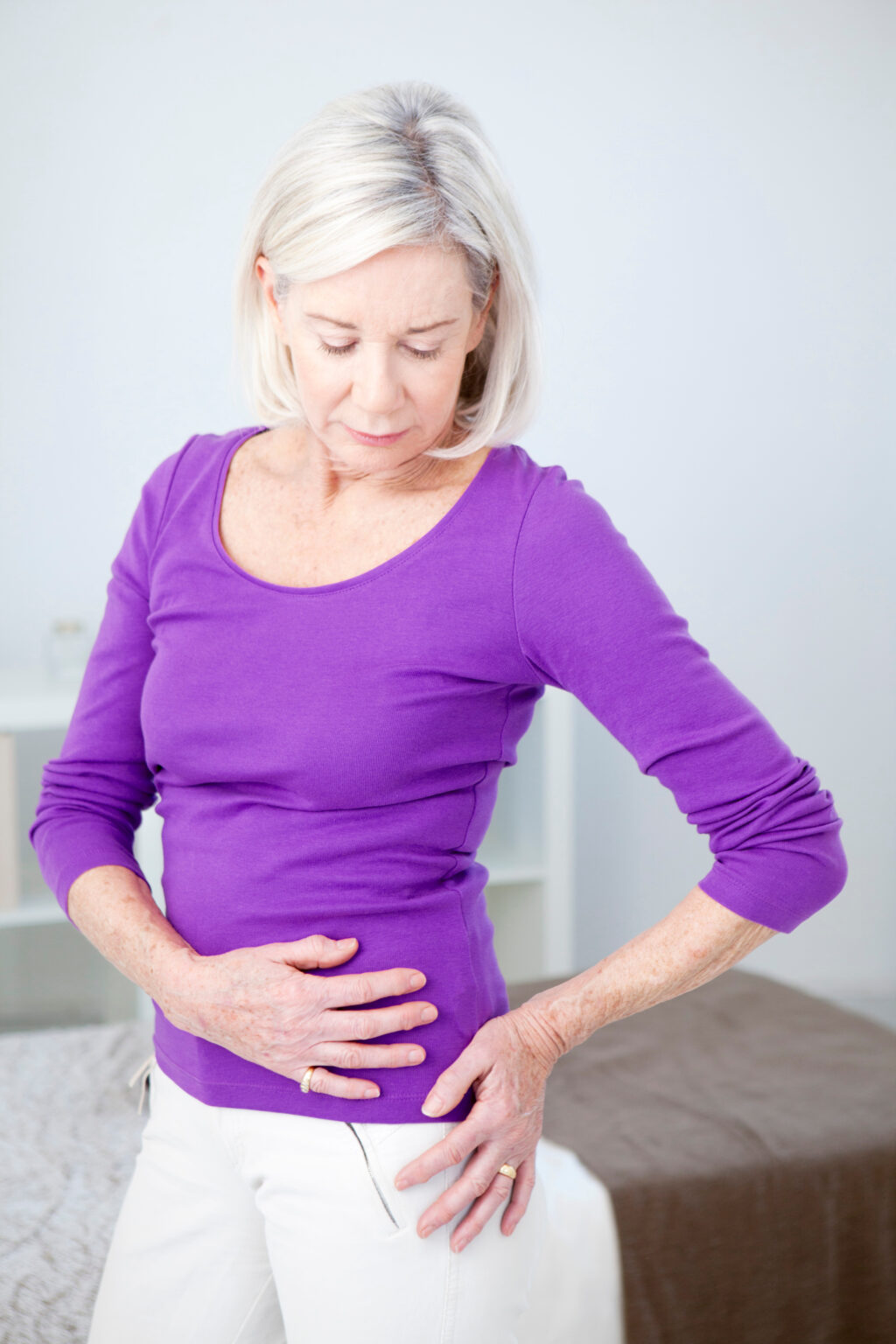
The hip is a large ball-and-socket joint designed to provide both stability and movement. It works closely with the pelvis, lower back, core muscles, gluteal muscles and surrounding soft tissues to support walking, running, bending, lifting and changing direction.
Pain in this area does not always come directly from the hip joint itself.
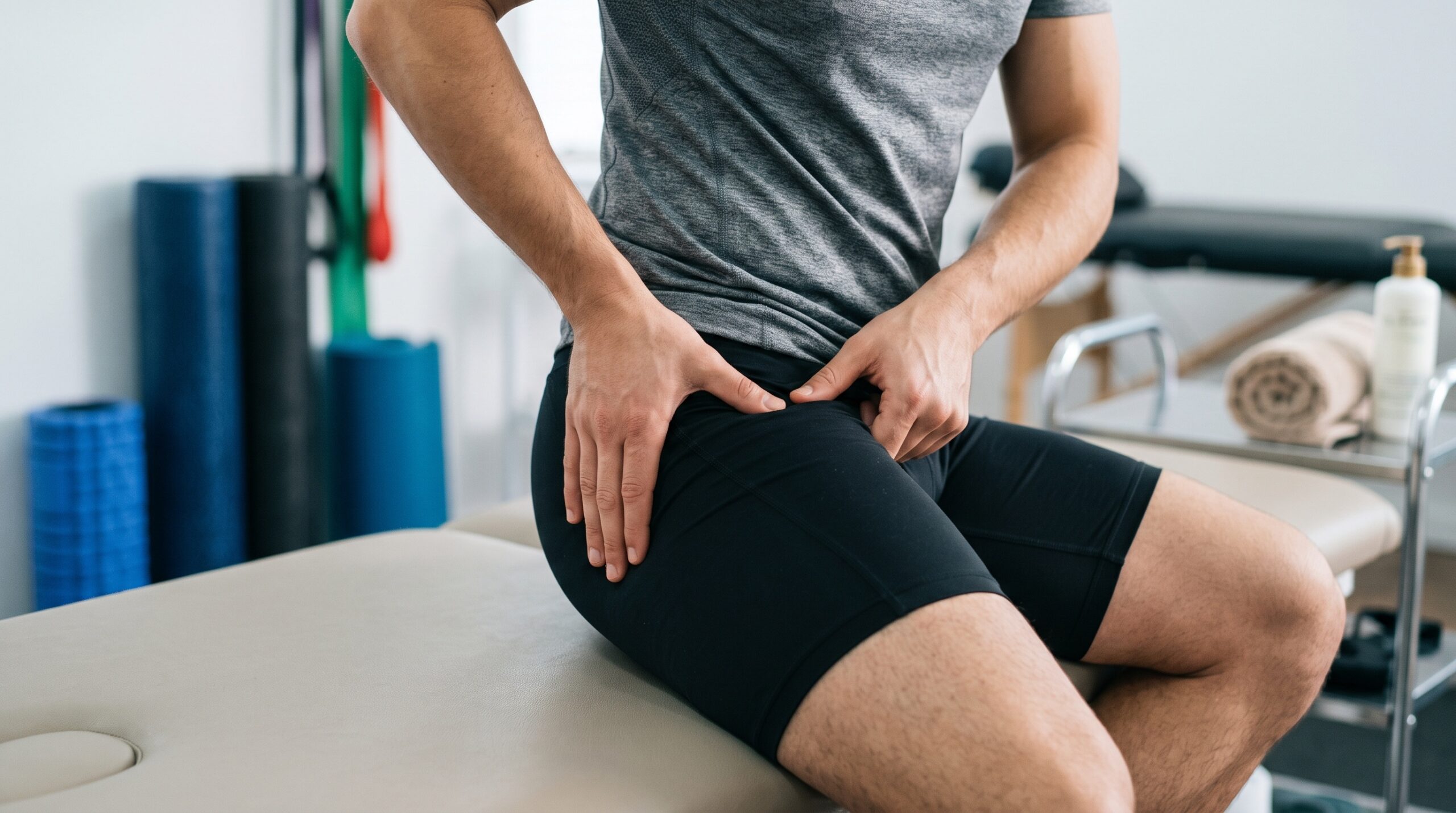
Some people experience discomfort on the outside of the hip, while others feel pain in the buttock, upper thigh or groin. Groin pain can sometimes involve structures around the hip joint, including hernias, enlarged lymph nodes, muscles, and tendons, although other medical causes may also need to be considered.
Hip and groin pain may develop gradually or follow a specific injury. The underlying cause can vary significantly between individuals, which is why assessment is important.
For related conditions, see:
Common Symptoms of Hip & Groin Pain
Symptoms may include:
- Aching or sharp pain around the hip
- Pain felt deep within the groin
- Outer hip pain
- Buttock discomfort
- Pain when doing day-to-day activities: walking, climbing stairs, running and crouching
- Discomfort when getting in or out of a car
- Pain when putting on shoes or socks
- Stiffness after sitting or resting
- Reduced hip movement
- Pain in sports such as running, lunging, kicking or changing direction
- Difficulty lying on the affected side
- Pain when standing from a chair
- Clicking, catching or a feeling of restriction within the hip
- Weakness or reduced confidence or giving way when putting weight through the leg
Symptoms can vary considerably depending on the structures involved and the underlying cause.
Possible Causes Or Triggers
Hip or groin pain may be associated with:
- Muscle strains
- Tendon irritation or tendinopathy
- Adductor or groin strain
- Gluteal tendon problems
- Osteoarthritis
- Hip impingement of soft tissues
- Labral irritation or injury
- Bursitis or irritation around the outer hip
- Repetitive sporting activity
- Sudden increases in training load
- Running-related overload
- Lifting or manual work
- Reduced hip mobility
- Weakness or altered movement patterns
- Lower back or pelvic problems referring pain towards the hip or groin
- Previous injury
- Falls or direct trauma
Not everyone with these factors will develop hip pain, and similar symptoms can sometimes arise from different structures.
When to See a Healthcare Professional
You may wish to seek professional assessment if you experience:
- Hip or groin pain lasting more than several days or weeks
- Pain that repeatedly returns
- Difficulty walking normally
- Reduced range of hip movement
- Pain affecting sleep
- Difficulty putting weight through the affected leg
- Pain interfering with work, sport or daily activities
- Persistent groin discomfort
- Clicking, catching or locking associated with pain
- Symptoms that are becoming progressively worse
You should seek prompt medical assessment if you experience:
- Severe pain following a fall or significant injury
- Inability to stand or bear weight through the leg
- Obvious deformity following trauma
- Sudden severe groin pain with swelling
- Significant redness, heat or swelling around the joint
- Fever or feeling systemically unwell alongside severe joint pain
- Unexplained persistent groin swelling or a new lump
- Groin pain accompanied by severe abdominal, pelvic or testicular symptoms
- Sudden or worsening neurological symptoms (weakness, numbness or tingling) affecting the leg
Where symptoms suggest a problem outside the musculoskeletal system, assessment by your GP or another appropriate healthcare professional may be required.
How We Help With Hip & Groin Pain
At The Wellness Barn Edinburgh, we do not claim to cure every cause of hip or groin pain. Our focus is on identifying relevant contributing factors and supporting recovery through personalised rehabilitation, movement-based therapy and appropriate complementary care.
Depending on your circumstances, our team may help you:
- Improve hip mobility
- Reduce muscular tension
- Build strength around the hip and pelvis
- Improve control and stability
- Address movement patterns that may be contributing to symptoms
- Improve tolerance for walking, stairs or exercise
- Support tendon and soft tissue rehabilitation
- Support a gradual return to sport or work
- Improve lower limb strength and function
- Develop realistic long-term self-management strategies
Every plan is tailored because hip and groin pain can have many different causes.
Methods or Services We Use to Support Hip & Groin Pain in Edinburgh
Musculoskeletal Physiotherapy
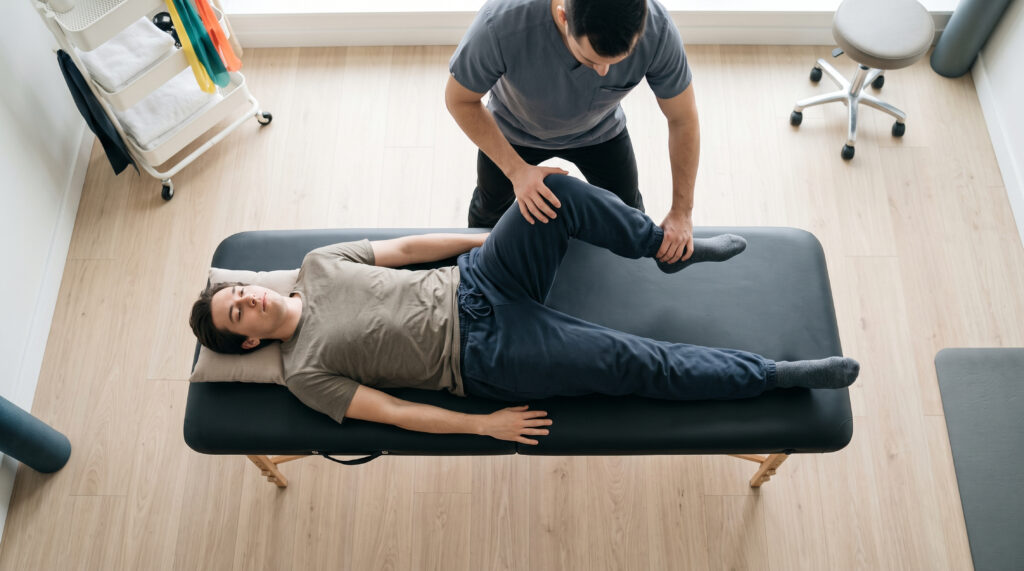
Musculoskeletal Physiotherapy can help assess the source of hip or groin pain and identify contributing factors involving the hip, pelvis, lower back and surrounding muscles.
Your rehabilitation plan may include movement assessment, hands-on treatment, strengthening, mobility exercises, education and gradual return-to-activity guidance.
Sports Therapy
Sports Therapy may support people experiencing hip or groin pain linked to sport, exercise, overuse or physical activity.
Treatment may focus on improving movement, strength, load tolerance and functional recovery.
Visceral Manipulation
Visceral Manipulation is a gentle hands-on therapy that considers connective tissue mobility and restrictions throughout the body.
Where appropriate, it may form part of a wider whole-person approach to mobility around the pelvis, abdomen, hips and surrounding tissues.
Acupuncture
Acupuncture may be used alongside rehabilitation as part of a broader approach to managing musculoskeletal discomfort and muscular tension.
Suitability depends on your symptoms, medical history and individual assessment.
Sports Massage
Sports Massage may help reduce muscular tension around areas such as the glutes, thighs and surrounding hip musculature where appropriate.
It may be used alongside rehabilitation rather than as a replacement for assessment or structured exercise.
Pilates
Pilates focuses on controlled movement, core strength, posture and lower-body stability.
For some people recovering from hip pain, Pilates may support longer-term strength, coordination and confidence in movement.
Yoga
Appropriately adapted yoga may help support mobility, flexibility, body awareness and relaxation.
Explore:
Your practitioner can advise whether yoga is appropriate for your stage of recovery.
Personal Training
Personal Training may support the later stages of recovery by helping you rebuild lower-body strength, resilience and confidence.
This can be particularly useful when returning to exercise, sport or more physically demanding activities.
Understanding Groin Pain
Groin pain is often described as discomfort in the area where the abdomen meets the upper inner thigh.
Although groin pain can be linked to the hip, muscles or tendons, it is important not to assume that every case is musculoskeletal.
Common musculoskeletal causes may include:
- Adductor muscle strain
- Tendon overload
- Hip joint irritation
- Sports-related groin injuries
- Reduced hip mobility
- Repetitive kicking or changing direction
- Sudden increases in running or training
- Pelvic and surrounding soft tissue strain
However, groin pain may sometimes arise from other medical causes, including hernia, circulatory, back, abdominal or pelvic conditions.
For this reason, unexplained, severe or persistent groin pain should be appropriately assessed.
Groin Pain in Sport & Exercise
Groin pain is particularly common in activities involving:
- Running
- Football
- Rugby
- Hockey
- Gym training
- Lunging
- Rapid direction changes such as racket sports
- Kicking
- Sprinting
Recovery often involves more than simply resting the painful area.
A rehabilitation programme may progressively address:
- ↗ Adductor strength
- ↗ Hip strength
- ↗ Core control
- ↗ Pelvic stability
- ↗ Change-of-direction tolerance
- ↗ Running load
- ↗ Sport-specific movement
Progression should be individualised according to symptoms and activity goals.
Who This May Be Suitable For
Our groin and hip pain treatments in Edinburgh may be suitable for:
- Adults experiencing persistent hip pain
- People with groin pain thought to be musculoskeletal
- Runners experiencing hip or groin symptoms
- Athletes recovering from adductor or soft tissue injuries
- Individuals experiencing outer hip pain
- People with hip stiffness or reduced mobility
- Adults with osteoarthritis alongside appropriate medical care
- Office workers experiencing discomfort after prolonged sitting
- Adults wanting to improve hip strength and movement
- Individuals experiencing recurring symptoms during sport or physical work
We recommend an initial assessment to identify the most appropriate starting point.
Who This May Not Be Suitable For & Key Considerations
Our services may not be appropriate in every circumstance.
Important considerations include:
- Suspected fracture requires urgent medical assessment
- Inability to bear weight after trauma should be investigated
- Severe joint swelling, redness or fever requires medical review
- Sudden unexplained groin swelling may require assessment for hernia or another medical cause
- Severe testicular, abdominal or pelvic pain requires prompt medical advice
- Certain treatments may not be appropriate depending on your medical history
- Persistent or worsening numbness, tingling or night pain or unexplained symptoms should be medically reviewed
- Certain therapies may not be suitable depending on medical history
- Individual recovery times vary
- Our services are not a replacement for medical diagnosis
Where appropriate, we may recommend consultation with your GP, minor injuries service, orthopaedic specialist or another healthcare professional.
Why Choose The Wellness Barn Edinburgh?
People choose us because we offer:
The Wellness Barn brings together rehabilitation, physical health and wellbeing services within one peaceful location at Swanston Farm near the Pentland Hills.
Our approach looks beyond the painful area to consider how your body moves as a whole, including the relationship between the hip, pelvis, lower back and lower limbs.
- Full structural, whole-person and lifestyle analysis
- Over 30 years of practitioner experience
- Personalised rehabilitation plans
- Access to physiotherapy and movement specialists
- Integrated physical and complementary therapies
- Support tailored to your individual activity and goals
- Calm South Edinburgh setting
- Free on-site parking
- Friendly and supportive environment
- Education focused on long-term self-management
Areas We Cover
We welcome clients from across Edinburgh and surrounding areas, including:
FAQs About Hip & Groin Pain Treatment
Can physiotherapy help with hip pain?
Physiotherapy may help assess the cause of hip pain and improve movement, strength, mobility and function through a personalised rehabilitation programme.
Can hip problems cause groin pain?
Yes. Pain from the hip joint and surrounding structures can sometimes be felt in the groin. However, groin pain has several possible causes, so persistent or unexplained symptoms should be assessed appropriately.
What causes pain on the outside of the hip?
Outer hip pain may be associated with muscles, tendons or other tissues around the hip and back. A physical assessment can help identify which structures may be contributing.
Can groin pain come from a muscle strain?
Yes. Groin strains commonly involve the adductor muscles on the inner thigh, particularly following running, kicking, rapid direction changes or sudden increases in activity.
Should I keep exercising with hip pain?
This depends on the cause and severity of your symptoms. Complete rest is not always necessary, but modifying activity and following an appropriate rehabilitation programme may be helpful.
Can back problems cause hip or groin pain?
Sometimes. Symptoms arising from the lower back, pelvis or surrounding nerves and muscles may be experienced around the buttock, hip or groin. Assessment can help distinguish between possible contributing factors.
Can massage help hip pain?
Massage may help reduce muscular tension around the hip, glutes and thighs as part of a wider rehabilitation approach. It does not replace appropriate assessment where symptoms are persistent or unexplained.
How long does hip or groin pain take to improve?
Recovery varies depending on the cause, severity, duration of symptoms and your individual activity demands. On average, less than 3 weeks for rested muscles. Your practitioner can discuss realistic expectations following assessment.
When should groin pain be medically assessed?
Seek medical advice if groin pain is severe, unexplained, associated with swelling or a lump, follows significant trauma, or occurs alongside abdominal, pelvic or testicular symptoms.
Do I need a referral?
No. You can contact us directly to discuss your hip or groin symptoms and suitable services.
For further information, visit our:
Seek Hip & Groin Pain Treatment in Edinburgh Today
At The Wellness Barn Edinburgh, we focus on helping you improve movement, rebuild strength and return to the activities that matter to you through tailored physiotherapy, rehabilitation and complementary wellbeing services.
If you are looking for hip pain or groin pain solutions, our team is here to help you explore suitable options and take the next step in your recovery.
Disclaimer: This page is provided for general information only and does not constitute medical advice, diagnosis or treatment. Hip and groin pain can have musculoskeletal and non-musculoskeletal causes. Always seek advice from your GP, consultant, physiotherapist or another appropriately qualified healthcare professional regarding persistent, severe or unexplained symptoms.